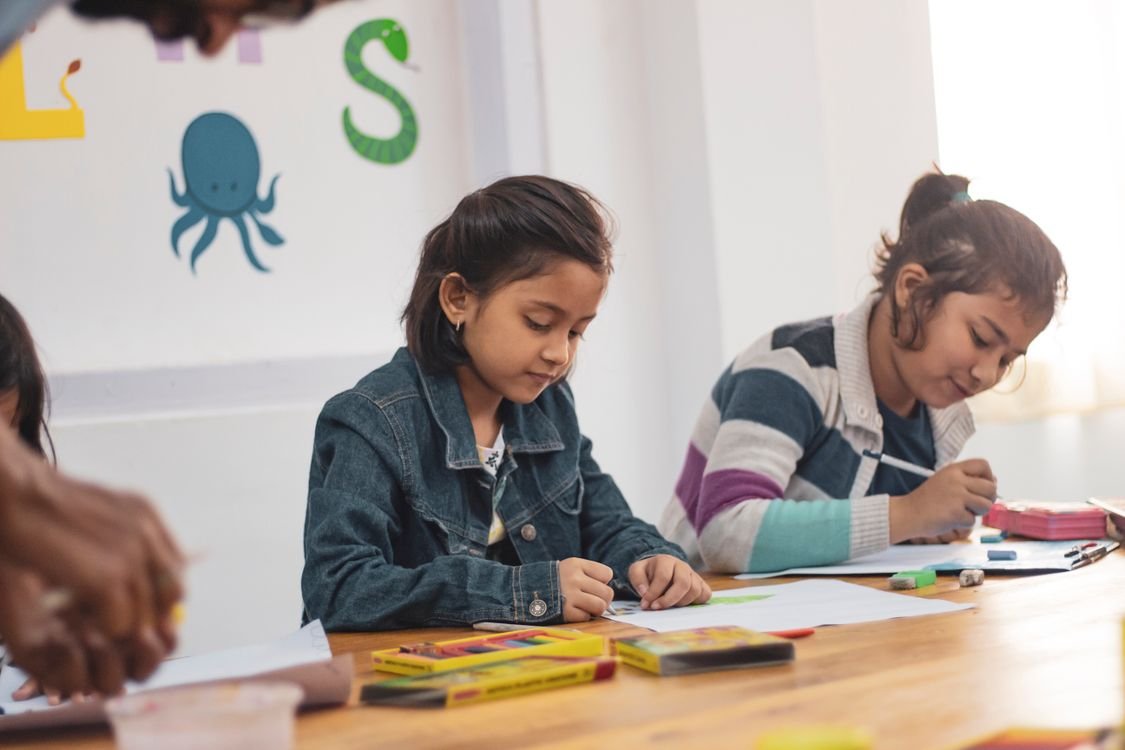
Most parents worry they’re not qualified to help their child with English — especially if English isn’t their own first language, or they left school a long time ago. Here’s the reassuring truth: you don’t need perfect grammar or a teaching degree to make a real difference. What children need at home isn’t a second classroom. They need English to feel normal, useful and even fun — something that happens in the kitchen and on the sofa, not just at a desk. A few small habits, repeated every day, beat one dreaded hour of study at the weekend every time.
Make English part of the day, not a subject
Children pick up language through repetition and context, so the goal is little and often. Narrate ordinary moments out loud: “Let’s put your shoes on,” “It’s raining, grab your coat.” Stick labels on a few objects around the house — door, window, fridge — and swap them for new words every couple of weeks. Put English on in the background: a cartoon at breakfast, a playlist of songs in the car. Ten relaxed minutes a day, every day, will carry your child further than a two-hour marathon that everyone ends up avoiding.
Read together, every single day
If you do only one thing, do this. Reading aloud is the highest-value habit for a child learning English, because it delivers vocabulary, sentence rhythm and pronunciation all at once — wrapped inside a story they actually want to hear. Pick books a little below their level so they feel confident, point at the pictures, and let them finish the sentences they already know. You don’t need a perfect accent; what matters is that they hear English spoken warmly and often. Libraries, dual-language picture books and free read-along videos all do the job. Five minutes at bedtime counts.
Let them play in English
Play is how children learn best, and it takes the pressure off completely. Board games, “I spy”, cooking from a simple English recipe, drawing a picture and labelling it — all of these teach language without it ever feeling like a lesson. Screen time can help too, as long as it’s active: apps that ask your child to speak or choose, not just sit and watch. The real trick is to join in. A child who hears you trying, laughing at your own mistakes and carrying on anyway is learning the most important lesson of all — that English is for using, not for getting right.
Don’t correct every mistake
This is the one most well-meaning parents get wrong. When your child says “I goed to the park,” resist the urge to stop and fix it. Constant correction makes children anxious and quiet, and a quiet child isn’t practising. Instead, just reply using the right form naturally: “You went to the park? What did you see?” They hear the correct version without feeling judged, and the conversation keeps rolling. Confidence and fluency come first; accuracy follows close behind. Praise the effort, not the perfection.
When to bring in extra help
Home habits build the foundation, but at some point most children benefit from structured teaching as well — before an exam, say, or when they’re slipping behind at school and losing confidence. A good teacher gives them feedback you simply can’t, and a routine that keeps progress steady week to week. Our Global Explorers programme is built for younger learners, with live online lessons that feel more like a conversation than a class. Pair that with the daily habits above and your child gets the best of both: English woven into everyday life at home, and expert guidance when it really counts. If you’d like help finding the right fit, take a look at our courses — and in the meantime, keep reading that bedtime story.