Care work is one of the most human jobs there is, and almost all of it runs on talking. You reassure someone who is frightened, you notice what a resident won’t say out loud, you hand a shift over so the next carer knows exactly what happened, and you write it all down so there’s a record if anyone ever asks. If English is your second language, the care itself is never the hard part — it’s whether the words you reach for under pressure, at 7am or 3am, are clear enough that nothing gets missed. The reassuring thing is that the English a care worker needs on shift is a specific, learnable set of skills, not the whole language.
Handover: starting the shift with the full picture
Every shift begins and ends with a handover, and a vague one is genuinely dangerous. This is where you learn what changed overnight — who slept badly, who refused their medication, who had a fall. Half the skill is listening: catching a phrase like “she’s been a bit off today” or “keep an eye on his fluids” and knowing to ask what exactly that means. When you give the handover yourself, aim for short, factual and in order: “Room 4, Mrs Owusu, ate half her lunch, declined a shower, says her hip is sore — I’ve logged it and told the nurse.” Learn to read a care plan closely too, because written instructions only help if you can act on them without guessing.
The language of care itself
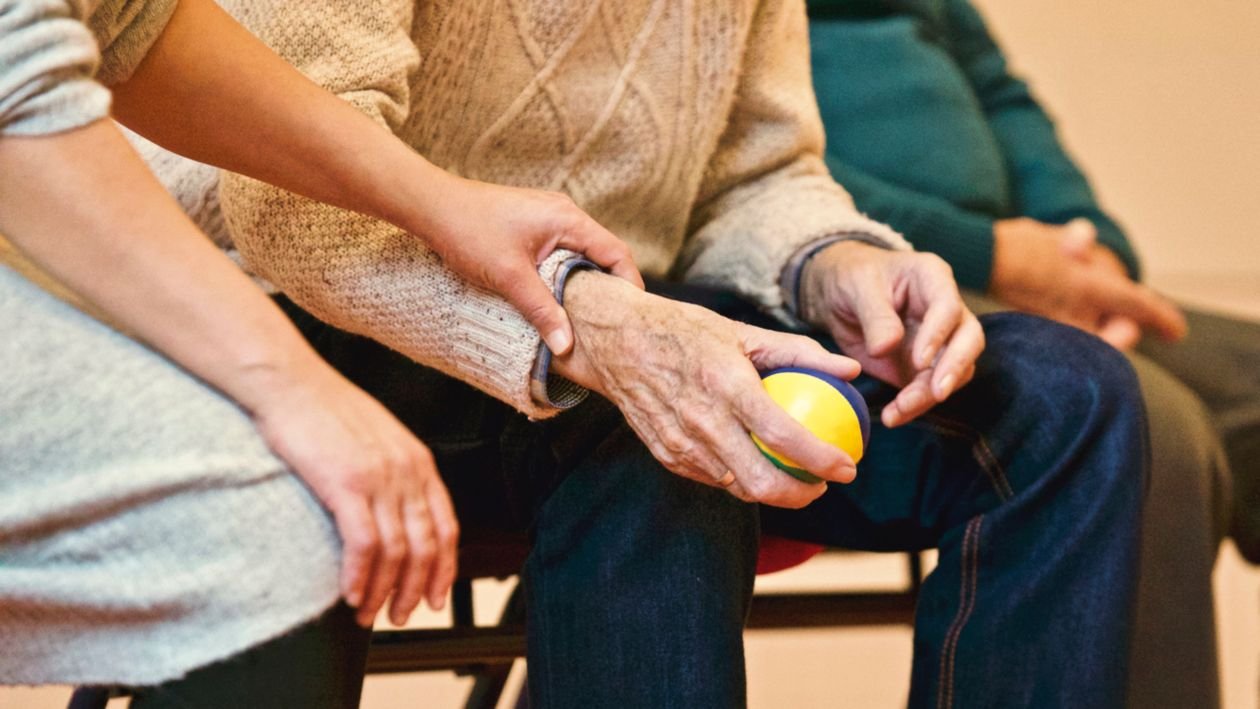
Most of your day is spoken directly to the people you look after, and tone carries as much as the words do. Personal care needs language that protects dignity — telling someone what you’re about to do before you do it (“I’m just going to help you sit up, is that alright?”), offering a choice wherever you can, and reading the small signs that someone is in pain or unhappy when they can’t say so plainly. A lot of it is ordinary chat: the weather, a photo on the windowsill, a bit of a joke. That everyday conversation isn’t a break from the work — it’s often the part that keeps someone feeling like a person rather than a task on a list.
Families, nurses and the wider team
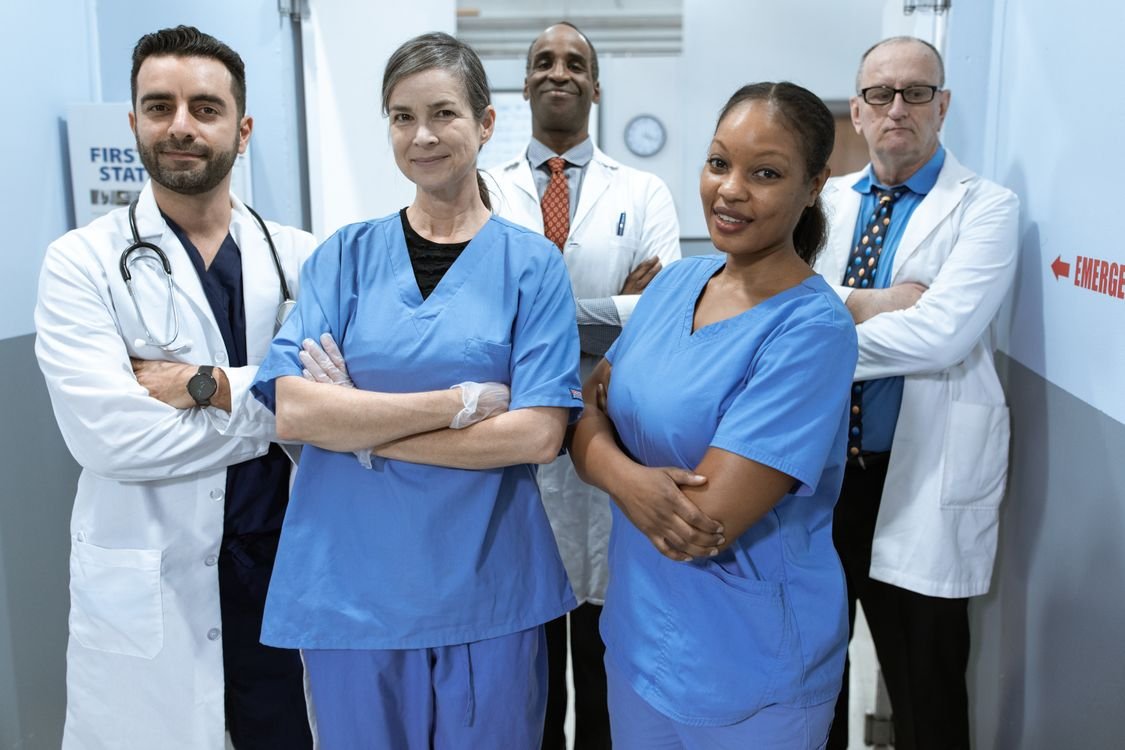
You’re rarely the only person involved, and your English has to shift register depending on who you’re speaking to. With a worried relative on the phone you need warmth and plain reassurance without ever promising what you can’t: “he’s settled this afternoon and he’s eaten well — I’ll let the nurse know you called.” With a nurse or a GP you need the opposite — quick, precise, the most important fact first, especially when you’re escalating something that worries you. Being able to flag a concern clearly (“I think this needs looking at now, not later”) is one of the most important things you’ll ever say on shift, and the moment hesitant English is most likely to cost time. Much of this is ordinary professional communication, which is exactly what our workplace English programme is built around — practised on the real situations you meet, not textbook role-plays.
Writing it down so it holds up
Care notes are a legal record, and “she seemed fine” is not a note. Good recording is factual, specific and timed: what you observed, what you did, what you reported, and when. If there’s an incident — a fall, a refusal, a mark on the skin — the writing has to be clear enough that someone reading it a year later, perhaps in a complaint or a safeguarding review, understands exactly what happened. This is the same careful, precise English that matters higher up the ward too; if you’re weighing a clinical route, it’s worth reading our guide to medical English for doctors and nurses alongside this one.
You can be the kindest, most capable carer on the rota and still have a hard day simply because a handover was misheard or a note was unclear. The language of care — handovers, personal care, families and records — is a narrow set of skills you can genuinely get good at, and getting good at it makes the whole shift calmer and safer. If you’d like to build the exact English your role depends on, take a look at our courses and we’ll shape the sessions around the conversations you actually have at work.