You're mid–sentence and feeling confident, and you reach for a word that looks almost exactly like one from your own language. It must be right — it's practically the same word. Then you notice the puzzled face across the table. Welcome to the world of false friends: English words that resemble a word in your first language but mean something completely different. They're one of the sneakiest traps in English, precisely because they feel so safe.
What a false friend actually is
English is a magpie. Over centuries it borrowed thousands of words from Latin, French, German and beyond, which is wonderful news when those words still line up with your language — hotel, animal and taxi travel almost anywhere. The trouble starts when two words look like twins but have quietly drifted apart in meaning. Linguists call these “false friends,” and every language brings its own set. A Spanish speaker, a French speaker and a German speaker each walk into English carrying a different list of hidden landmines.
The ones that cause real trouble
Some false friends are merely awkward; others can make a whole room go quiet. If you're a Spanish speaker and you say you're embarrassed when you mean embarazada, you've just announced that you're pregnant. Tell an English colleague you'll assist the meeting — from asistir — and they'll wonder why you're helping rather than simply attending. French speakers get caught by actually, which means “in fact,” not actuellement (“currently”), and by eventually, which promises something will happen, unlike éventuellement (“possibly”). German speakers carry the sharpest one of all: Gift means poison, so offering someone “a little gift” can land very strangely indeed. Italian speakers meet camera, which is a room, not something you take photos with, and Portuguese speakers see push on a glass door and instinctively pull, because puxe means “pull.”
Why they slip past you
Here's what makes false friends so stubborn: your brain trusts them. When a word resembles something you already know, you don't stop to question it — you reach for it on autopilot, usually at the worst possible moment, speaking quickly in a meeting or under pressure in an exam. Spell–check won't rescue you either, because these are real English words, correctly spelled; they're simply the wrong ones. In a cabin, a cockpit or a contract negotiation, that kind of small slip can cost you more than a red face — and because most people are too polite to correct you, it can survive for years, quietly undermining otherwise excellent English.
How to stop them tripping you up
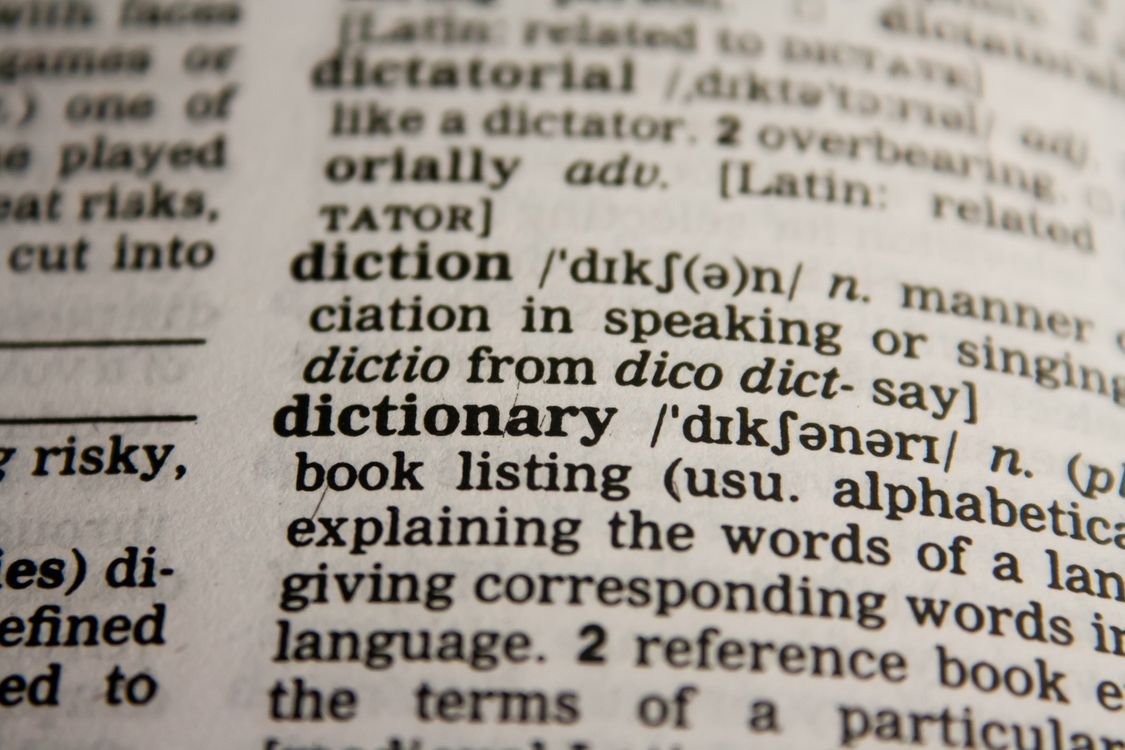
The fix isn't to memorise a huge list and panic every time you open your mouth. Start with your own language's false friends — there are usually only a few dozen that really matter, and a quick search for “false friends” plus your language will turn them up. Keep a personal note of the ones that catch you out. Then change the way you learn new words: instead of storing an English word as a one–to–one translation, learn it inside a full example sentence, so the real meaning sticks. Read and listen widely, because seeing actually and eventually used naturally, over and over, slowly overwrites the false version in your head. And when a word looks suspiciously identical to one in your language, treat that resemblance as a yellow flag rather than a green light — ten seconds with a dictionary can save a very awkward sentence.
False friends aren't a sign that your English is weak — they're a sign that you're building on real foundations and thinking fast in two languages at once. With a little awareness they turn from a hidden trap into an easy win: a handful of words you get right while everyone around you stumbles. If you'd like a teacher who knows exactly which false friends your first language hides and can catch them before they slip out, take a look at the live online courses at Kensington English, where classes are small enough for that kind of personal attention.